
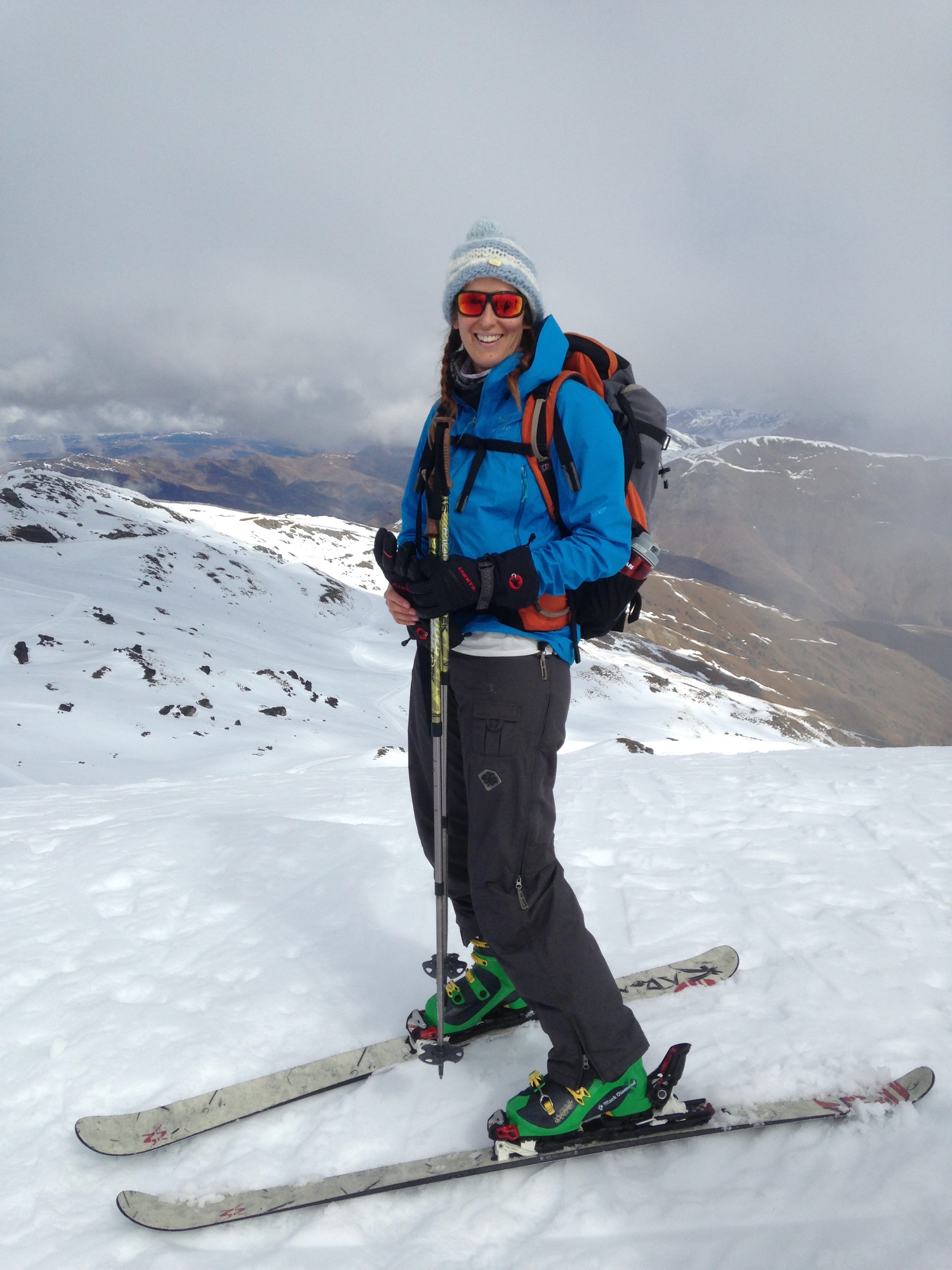
Knees on day three: why your skiing falls apart, and what to do about it
It's a story we hear every winter at the clinic.
Day one on the mountain feels great. Legs are fresh, the snow's good, you're skiing better than you remembered. Day two is decent. Maybe a bit of stiffness in the morning, but you push through and it loosens up. Then day three rolls around, and somewhere around lunchtime your knees start to feel it. By 3pm you're skiing badly, your form's gone, and that small ache has turned into something you can't ignore.
If this sounds familiar, you're not alone. It's one of the most common patterns we see during ski season, and the reason behind it is the same almost every time.
The real cause: fatigue, not just overuse
Most people assume the issue is simply doing too much. And while volume matters, the bigger problem is what fatigue does to your movement.
When your muscles are fresh, your skiing is supported by the big stabilising muscles around the hips, glutes and core. They absorb load, control your knee position, and keep your form clean. When those muscles tire, your body finds workarounds. Your knees start tracking inwards. Your weight shifts onto the front of your boots. Your turns get less controlled. Without realising it, you've shifted the load onto smaller structures that aren't built for it: the soft tissue around the kneecap, the meniscus, the medial ligaments.
That's the moment the ache turns up. Not because you've done more, but because the way you're doing it has changed.
The other thing nobody warns you about
Altitude, dehydration and cold air all amplify the problem. You don't notice you're under-fuelling because the cold blunts your appetite. You drink less water than you would at home. You hold yourself stiffly to stay warm. All of this compounds the fatigue, and compounds the breakdown in form.
By day three, you're not just tired. You're systemically depleted in a way that day-one-you wouldn't recognise.
Four things that actually help
If you only do a few things differently this season, make it these.
- Get your glutes and hips strong before you go. Not your quads. Your quads will be fine. The muscles that protect your knees during skiing are higher up, and they're the ones that fatigue first. Two or three sessions a week of single-leg work (step-ups, lunges, split squats, side-lying leg raises) for four to six weeks before your trip makes a measurable difference.
- Take a proper warm-up seriously. Five minutes of dynamic movement before your first run is not optional. It's the difference between your stabilisers being switched on or asleep when you click into your bindings.
- Eat and drink like an athlete, not a tourist. You're working hard at altitude in the cold. Carry water. Eat real food, not just chocolate at the lift queue. Top up before you feel hungry. This single change shifts day-three knees more than any exercise.
- Take an honest rest day. If you're skiing four or more consecutive days, build in a deliberate break. Not "we'll take it easy", but a proper day off the mountain. Your stabilising muscles need it, and so does your nervous system.
When to come and see us
A small ache that turns up late in the day and is gone by morning is usually a load-management story. The four things above will fix most of those.
But if you're getting pain that lingers into the next morning, sharp pain at any specific point in your turn, swelling around the knee, or anything that feels like a give-way or a click, don't wait it out. Knee injuries in winter are far easier to sort early than left until the season's over.
We see plenty of skiers every week through the cooler months as part of our sports rehabilitation service. Most don't need much: a proper assessment, a clear plan, and a few sessions of targeted work. Far better than ending your season early.
If something's not feeling right, give us a call on 03 443 1711, or book online.
Happy skiing.