
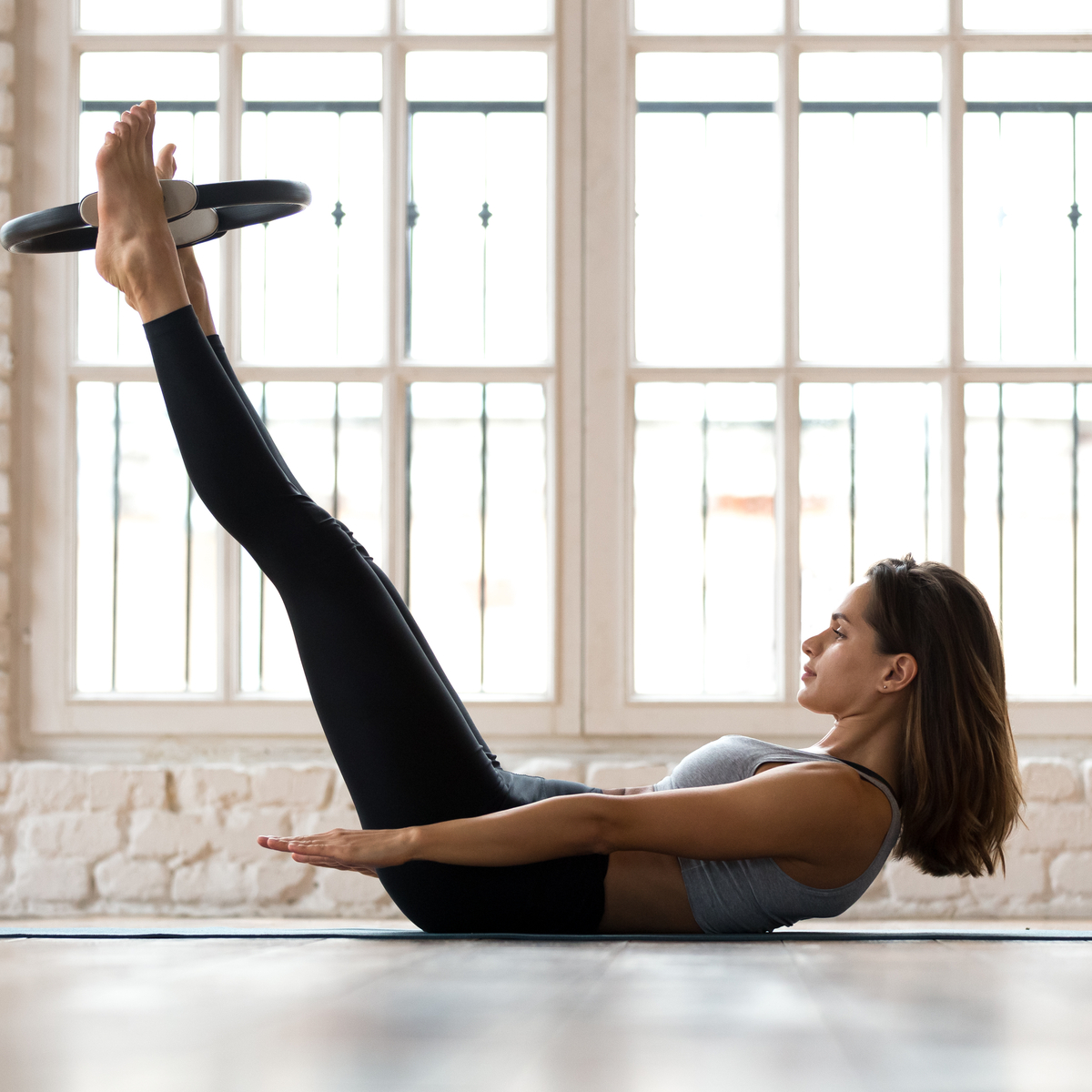
Pilates is often seen as a modern fitness trend, but its roots go back over a century. The practice was developed by Joseph Pilates, born in Germany in 1880. The foundational concept involves engaging lower abdominal muscles to create "the powerhouse"—a strong core centre that enables overall fitness.
The History of Pilates
Joseph Pilates overcame childhood challenges including asthma, rickets, and rheumatic fever through dedicated exercise training. He worked as a boxer, circus performer, and police self-defence instructor in England. During World War One internment, he designed exercise equipment by attaching springs to hospital beds—this innovation led to the appearance of the trapeze table that we still use today.
Joseph emigrated to New York in 1925 and opened a studio in 1926, which gained popularity among dancers seeking injury recovery and performance enhancement.
Modern Pilates Practice
Contemporary instructors have expanded the original 34-exercise programme while maintaining core principles of strengthening and stretching. Physiotherapists now use Pilates extensively for injury rehabilitation and athletic performance improvement.
Key Benefits of Pilates
- Stronger core and lumbo-pelvic stability
- Improved breathing patterns
- Enhanced muscle tone and flexibility
- Better body awareness and posture
- Reduced injury risk
- Improved balance and coordination
Our Pilates Classes
At Central Lakes Physio, we maintain small class sizes to prioritise proper technique instruction: maximum four studio clients and eight mat class participants. This ensures that each person receives personalised attention and correction to develop safe, effective movement patterns.
Whether you're recovering from injury, looking to improve athletic performance, or simply want to build a stronger, more balanced body, Pilates can help. Learn more about our Pilates classes or contact us to book your first session.