For decades, ultrasound therapy was a staple in physiotherapy clinics. At Central Lakes Physio & Pilates, we've made the evidence-based decision to move away from this treatment modality. Here's why.
What is Ultrasound Therapy?
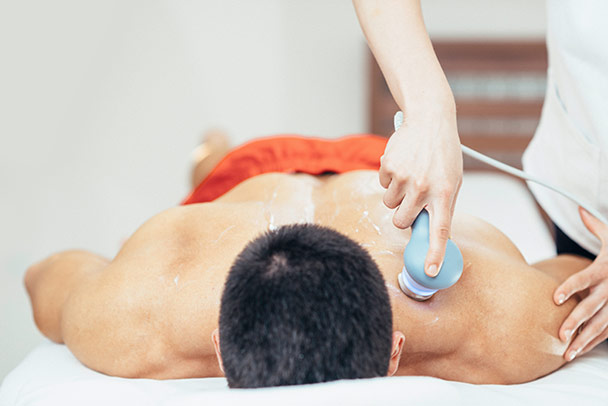
Therapeutic ultrasound delivers sound waves into damaged tissues. Practitioners historically used this modality to:
- Reduce swelling
- Increase tissue temperature and blood flow to support healing
- Break down scar tissue adhesions
The Evidence Gap
The shift away from ultrasound stems from a critical gap in scientific support. A comprehensive 2001 study by Robertson and Baker examining ultrasound research concluded:
"Minimal evidence to support the use of US in treating people with pain, musculoskeletal injuries or for promoting soft tissue healing."
The technique's longevity in clinical settings likely resulted from the placebo effect rather than proven efficacy. As physiotherapy has increasingly prioritised evidence-based approaches, ultrasound has lost favour among progressive practitioners.
Our Evidence-Based Toolbox
Central Lakes Physio emphasises treatments backed by research. Our current therapeutic arsenal includes:
- Massage – Manual soft tissue therapy
- Mobilisation and manipulation – Joint-specific techniques
- Myofascial release – Fascial restriction treatment
- Acupuncture and dry needling – Targeted pain relief
- Exercise prescription – Individualised programmes
- Taping – Supportive and corrective applications
- Pilates and core classes – Group and individual sessions
What This Means for You
When you visit Central Lakes Physio, you can be confident that every treatment we offer is supported by scientific evidence and proven to be effective. We continuously update our practices based on the latest research to ensure you receive the best possible care.
To learn more about our evidence-based treatments or book an appointment, contact us on 03 443 1711 or book online.
Reference
Robertson, V.J. and Baker, K.G., 2001. A review of Therapeutic Ultrasound: Effectiveness Studies. Physical Therapy, 81(7), pp 1339-1350.