
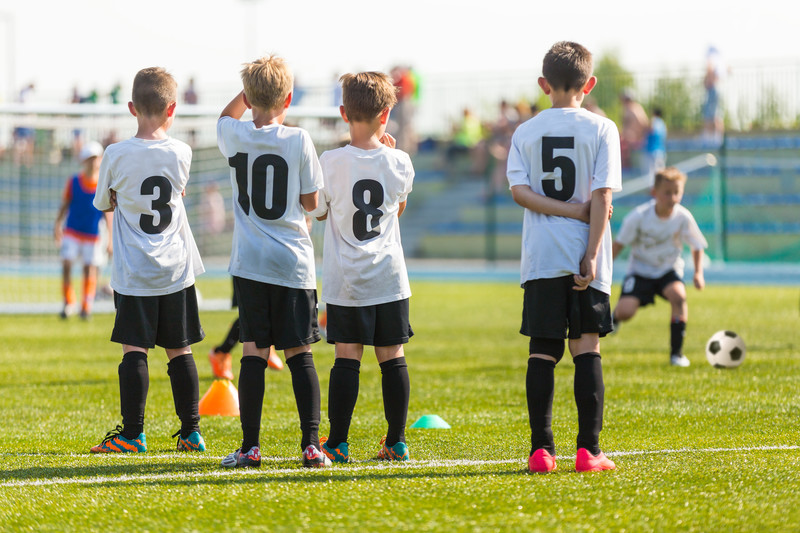
Sport has so much to offer our children. It teaches them discipline, perseverance, teamwork, integrity and many other valuable life skills. However, the injury statistics are concerning.
The Growing Problem
ACC data reveals a 60% surge in sports-related injuries to kids aged 10-14 years since 2008, significantly outpacing other age groups. This alarming trend suggests that many children are pushing their bodies too hard, too soon.
How Much is Too Much?
The recommended training threshold is straightforward: the amount of organised sport per week in both training and competition shouldn't exceed the child's age (one hour for every year). For example, a 13-year-old should participate in no more than 13 hours of organised sport weekly.
Understanding the Risks
Intensive training during early adolescence endangers developing bodies. Children possess immature musculoskeletal systems and shouldn't be treated as high-performance athletes. Their bodies are still growing, and overtraining can lead to serious overuse injuries, growth plate problems, and long-term health issues.
The Importance of Movement Variety
Children require 60 minutes of moderate-to-vigorous daily exercise, which includes unstructured activities like biking, skateboarding, swimming, and free play—not just formal sports. This variety helps develop different muscle groups and movement patterns, reducing the risk of overuse injuries.
Five Key Strategies for Healthy Sport Participation
- Monitor training hours relative to age: Keep organised sport time under the child's age in years per week
- Encourage diverse sports participation: Multi-sport involvement develops well-rounded athleticism and reduces overuse injuries
- Prioritise enjoyment over winning: Focus on fun, skill development, and personal improvement rather than competition outcomes
- Ensure adequate free play time: Unstructured play is crucial for creativity, social development, and overall wellbeing
- Allow proper rest and recovery: Schedule rest days and off-seasons to let young bodies recover and prevent burnout
The Long-Term Benefits
Balanced approaches prevent overuse injuries, reduce burnout, and foster lifelong athletic engagement. When children enjoy sport in a healthy, sustainable way, they're more likely to remain active throughout their lives, reaping the physical and mental health benefits for decades to come.
If you're concerned about your child's training load or they're experiencing any pain or discomfort from sport, our team at Central Lakes Physio can help assess their movement patterns and provide guidance on injury prevention and recovery.