
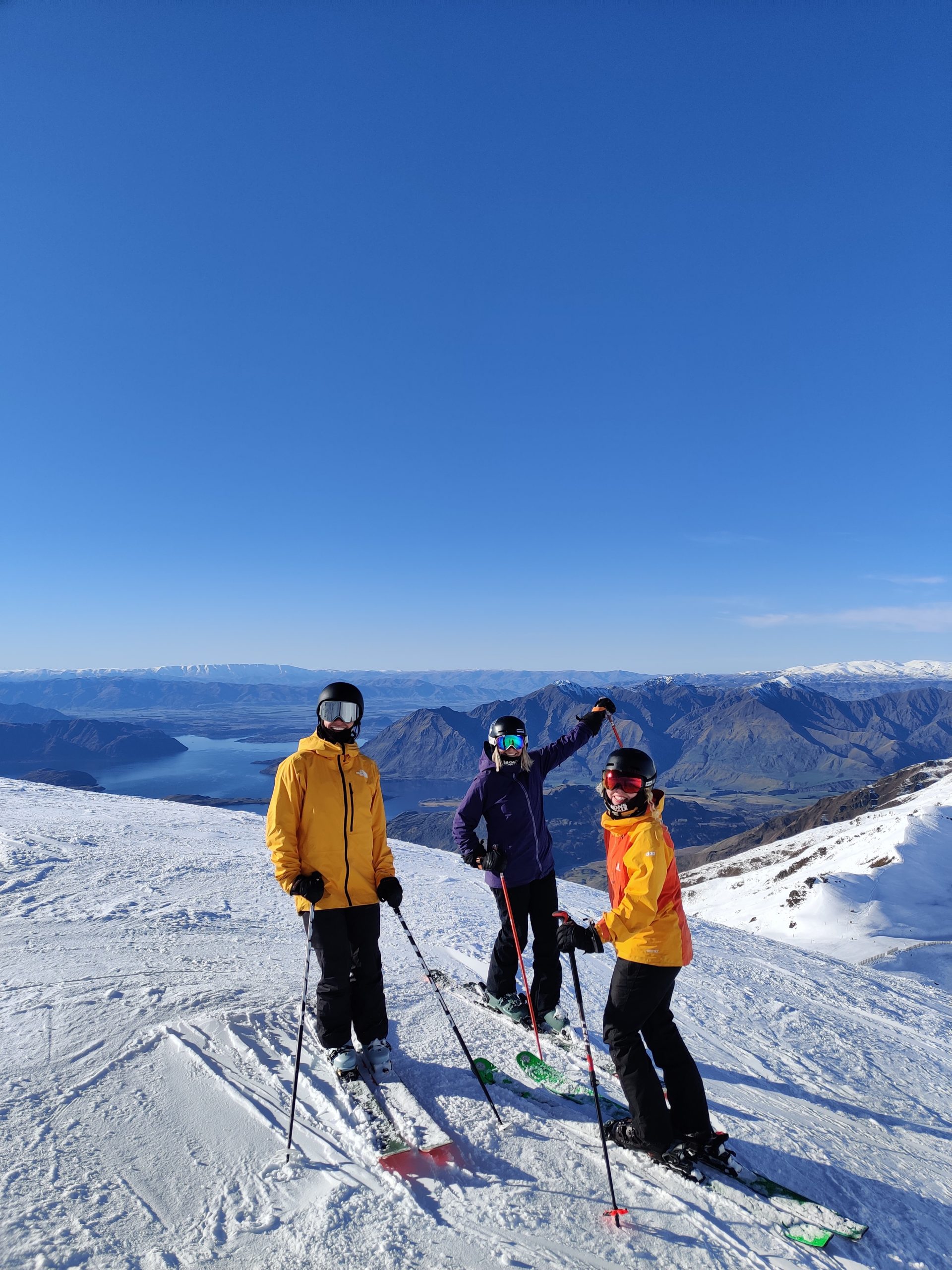
As physiotherapists in Wānaka, we see plenty of ski and snowboarding injuries during the snow season. Here's what we see most often.
Upper Body
Upper limb injuries occur three times more frequently in snowboarding than skiing due to the absence of poles for braking. Fractures represent 50% of injuries, with wrists comprising 25% of total cases.
Shoulder injuries include rotator cuff damage, dislocations, and collarbone or humerus fractures. Thumb injuries are particularly common, with "Skier's thumb" — an ulnar collateral ligament injury — being notably prevalent. This occurs when the thumb is forced backward, potentially from catching in snow or ski-poles.
Knee
The knee represents the most frequently injured site, accounting for 20-30% of all injuries. The medial collateral ligament experiences grade 1-2 sprains most commonly, followed by anterior cruciate ligament damage, which affects female skiers disproportionately.
Ankle
Ankles account for 30% of snowboarding injuries and 5% of skiing injuries, predominantly in soft-shell boots.
Spinal
Snowboarders' backward falls cause more spinal injuries through axial loading, including coccyx fractures. Skiers with osteoporosis face elevated spine fracture risk.
Head
Head injuries and concussions represent 10% of all injuries, occurring more frequently in males and snowboarders. Helmets reduce head injury risk by 30-35%.