What is it?
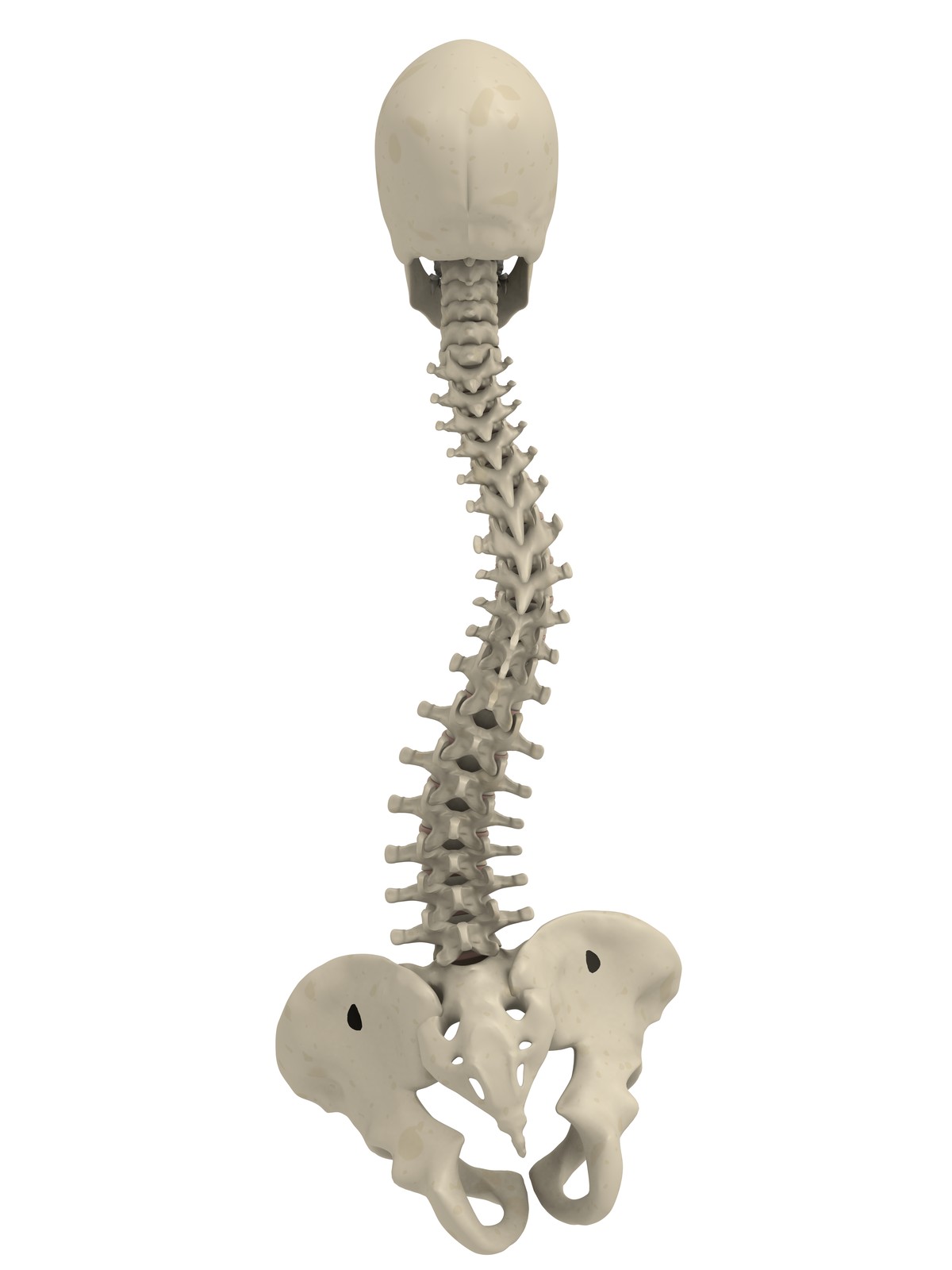
Scoliosis represents a medical condition involving spinal curvature. Scoliosis is present in about 2-3% of the population. Of these cases, approximately 20% are congenital while 80% develop spontaneously without known cause.
The condition requires a spinal bend exceeding 10 degrees for official classification. Lesser curves are considered simple spinal variations. Medical professionals measure severity using the Cobb angle via x-ray imaging.
Who gets it?
Scoliosis can emerge at various life stages. Temporary curve appearances sometimes occur during back pain episodes but typically resolve afterward. Some individuals develop curvature later in life as their body adapts to prolonged discomfort or chronic conditions.
How we can treat it
Exercise forms the primary treatment for curves measuring 10-45 degrees. Exercise can reduce curves by up to 32%, research has shown. Additionally, individuals in exercise programmes experience 24-48% fewer spinal fusions compared to untreated populations.
Treatment emphasises spinal elongation initially, using supports to optimise gravity's effects on alignment. Subsequent phases involve targeted strengthening and lengthening exercises. Hands-on therapies like massage and myofascial release complement exercise regimens. Pilates particularly benefits scoliosis management when prescribed appropriately for individual curve patterns.