
Many people diagnosed with knee osteoarthritis are assessed by a surgeon, who may say to "come back when symptoms are worse". But there ARE other options! Approximately 10% of New Zealanders experience osteoarthritis (OA), the most prevalent form of arthritis, affecting knees, hips, spine, and hands.
Understanding Osteoarthritis
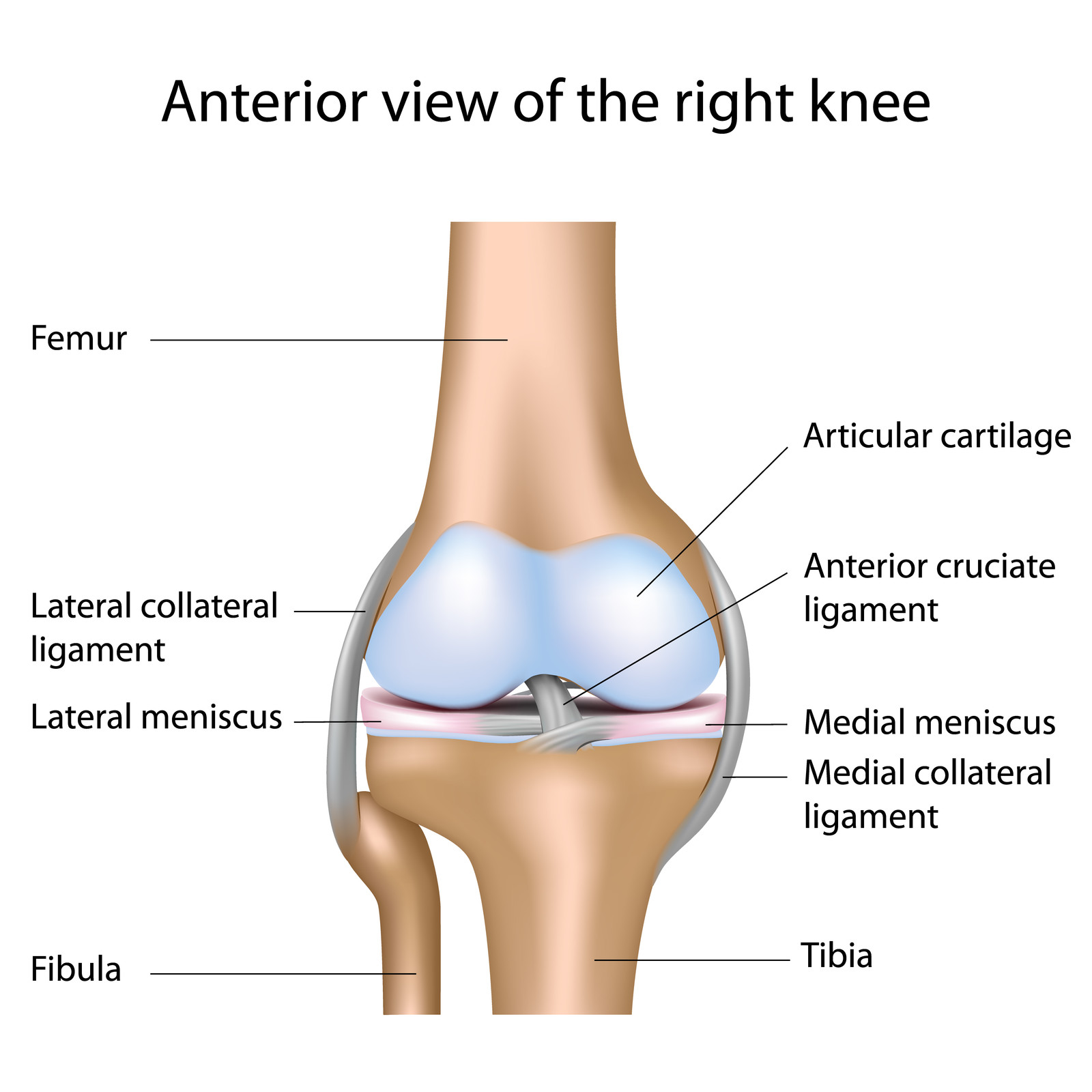
Articular cartilage serves as a protective covering on bone surfaces, functioning as a shock absorber. Because cartilage lacks blood vessels, it regenerates very slowly. When damaged through injury or wear and tear, cartilage degradation can produce pain, grinding sensations, swelling, and stiffness in the affected joint.
The "Wait and See" Approach
Many patients receive advice from surgeons to delay surgery "until symptoms worsen". While this might seem prudent, it can lead to a downward spiral of inactivity, weight gain, muscle weakness, and significantly diminished quality of life. The good news is that you don't have to just wait—there are evidence-based treatments that can make a real difference.
Non-Surgical Treatment Options
Keep Moving
Joint activity maintains cartilage health through a process called mechanotransduction—movement stimulates cartilage cells and promotes the production of lubricating joint fluid. Low-impact activities like cycling, swimming, and walking are excellent options that strengthen muscles around the knee without excessive stress.
Weight Management
The evidence is compelling: losing just 5-10% of body weight can reduce knee pain by approximately 50%. Every kilogram of body weight places about 4kg of force through your knee joint when walking, so even modest weight loss can significantly reduce joint stress.
Posture and Alignment Correction
Uneven cartilage wear may result from biomechanical misalignment. A professional physiotherapy assessment can identify movement patterns that may be contributing to your symptoms. We can then develop a targeted exercise programme to improve alignment and reduce stress on the affected joint.
Knee Braces
Specialised knee braces can provide joint support and offload the affected compartment of the knee, enabling you to continue with activities you enjoy whilst managing symptoms.
Anti-Inflammatory Medications
NSAIDs (non-steroidal anti-inflammatory drugs) reduce pain and inflammation more effectively than paracetamol for osteoarthritis. However, these should be used under medical supervision and in conjunction with other treatment strategies, not as a sole solution.
When is Surgery the Right Choice?
Surgery becomes appropriate when conservative measures prove insufficient and symptoms significantly impact your quality of life. Modern knee replacement surgery uses durable materials and offers excellent outcomes, with 90-95% of replacements lasting 15-20 years or more for patients over 60. Younger individuals may experience shorter implant longevity due to higher activity levels, which is why conservative management is particularly important for this group.
Take Control of Your Knee Health
Don't accept that declining function is inevitable. Research consistently shows that a comprehensive physiotherapy programme can reduce pain, improve function, and enhance quality of life for people with knee osteoarthritis. In many cases, patients can delay or even avoid surgery altogether.
If you're living with knee osteoarthritis, we invite you to book an appointment at Central Lakes Physio. Our team can provide a thorough assessment and develop a personalised rehabilitation programme to help you stay active and manage your symptoms effectively.