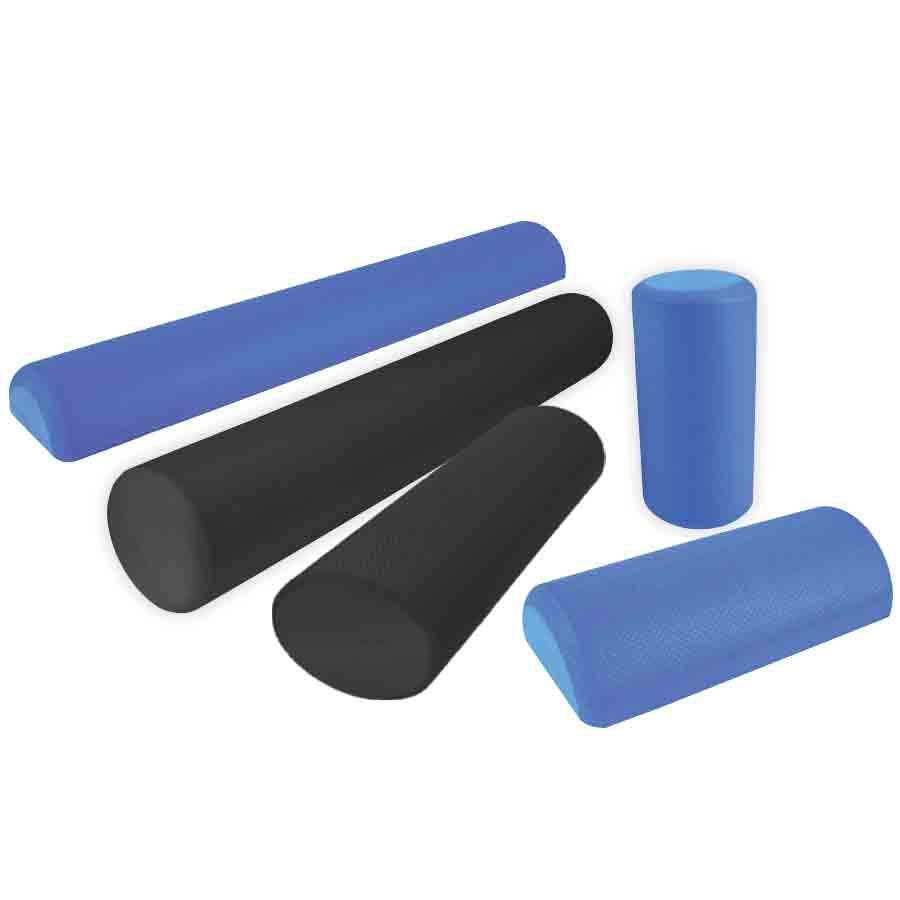
Foam rollers have become a staple in physiotherapy and fitness settings, and for good reason. This simple piece of equipment offers multiple benefits for recovery, performance, and overall wellbeing.
1. Myofascial Release
Foam rollers facilitate myofascial release by working on tight muscles and surrounding connective tissue (fascia). This self-massage technique provides numerous benefits:
- Enhanced blood flow to muscular tissues, bringing oxygen and nutrients
- Stretching of restricted areas in muscles and fascia
- Diminished scar tissue buildup in injured or overused areas
- Better range of motion in joints and muscles
- Reduced discomfort from muscle tension and trigger points
- Restoration of muscular balance throughout the body
Areas You Can Target
Foam rolling can be applied to numerous areas including:
- Calves
- Quadriceps (front of thighs)
- Hamstrings (back of thighs)
- Glutes (buttocks)
- Thoracic spine (upper/mid back)
- IT band (outer thigh)
- Axillary muscles (shoulder area)
2. Core Stability Training
When using a full-length foam roller positioned lengthwise beneath your body (with your head supported), it becomes an effective core-strengthening tool.
The reduced base of support demands greater stability from your core muscles, highlighting weak points and forcing them to work harder. This approach makes fundamental movements considerably more difficult and activates deeper abdominal muscles more effectively than many traditional exercises.
Benefits for Core Training
- Challenges balance and proprioception
- Activates deep core stabilisers
- Improves postural control
- Highlights and addresses imbalances
3. Recovery Support
Foam rolling assists post-exercise recovery by functioning similarly to massage. It helps flush lactic acid and metabolic waste products from tissues, potentially reducing delayed onset muscle soreness (DOMS) and speeding up the recovery process.
Recovery Benefits
- Reduces muscle soreness after training
- Improves circulation to aid healing
- Can be done daily as part of your routine
- More cost-effective than regular massage therapy
Important Safety Precautions
Avoid rolling your lower back. This region resists rolling pressure and can encourage excessive spinal extension, potentially causing injury. Instead, focus on the muscles around the lower back (glutes, hip flexors, and thoracic spine).
Always maintain proper posture alignment throughout your rolling sessions. Move slowly and breathe steadily, spending extra time on particularly tight or tender areas.
Getting Started with Foam Rolling
If you're new to foam rolling or want guidance on proper technique, our physiotherapists at Central Lakes Physio can demonstrate effective rolling patterns and help you develop a personalised routine.
Contact us on 03 443 1711 or book an appointment online to learn more about incorporating foam rolling into your recovery and training programme.