Dry needling, also called trigger point needling or intramuscular stimulation, is a highly effective treatment technique used by physiotherapists. This comprehensive guide addresses common patient questions about the treatment.
Two Main Theoretical Approaches
The Trigger Point Model (Travell and Simons)
This model identifies tight muscle bands as problem areas. These spots occur due to:
- Chemical imbalances within muscle tissue
- Oxygen deprivation to the affected area
- Waste product buildup
The resulting pH changes and nerve-triggered muscle contractions create the sensation of persistent knots or tight bands in the muscle.
Neuropathic Pain/Intramuscular Stimulation (C. Chan Gunn)
This approach focuses on muscle tightness at the spine—whether from direct or indirect injury—which can affect nerves exiting the spine. This nerve irritation can cause pain elsewhere in the body (referred pain). Releasing spinal muscle tension relieves nerve pressure and prevents secondary injuries.
How Does the Treatment Work?
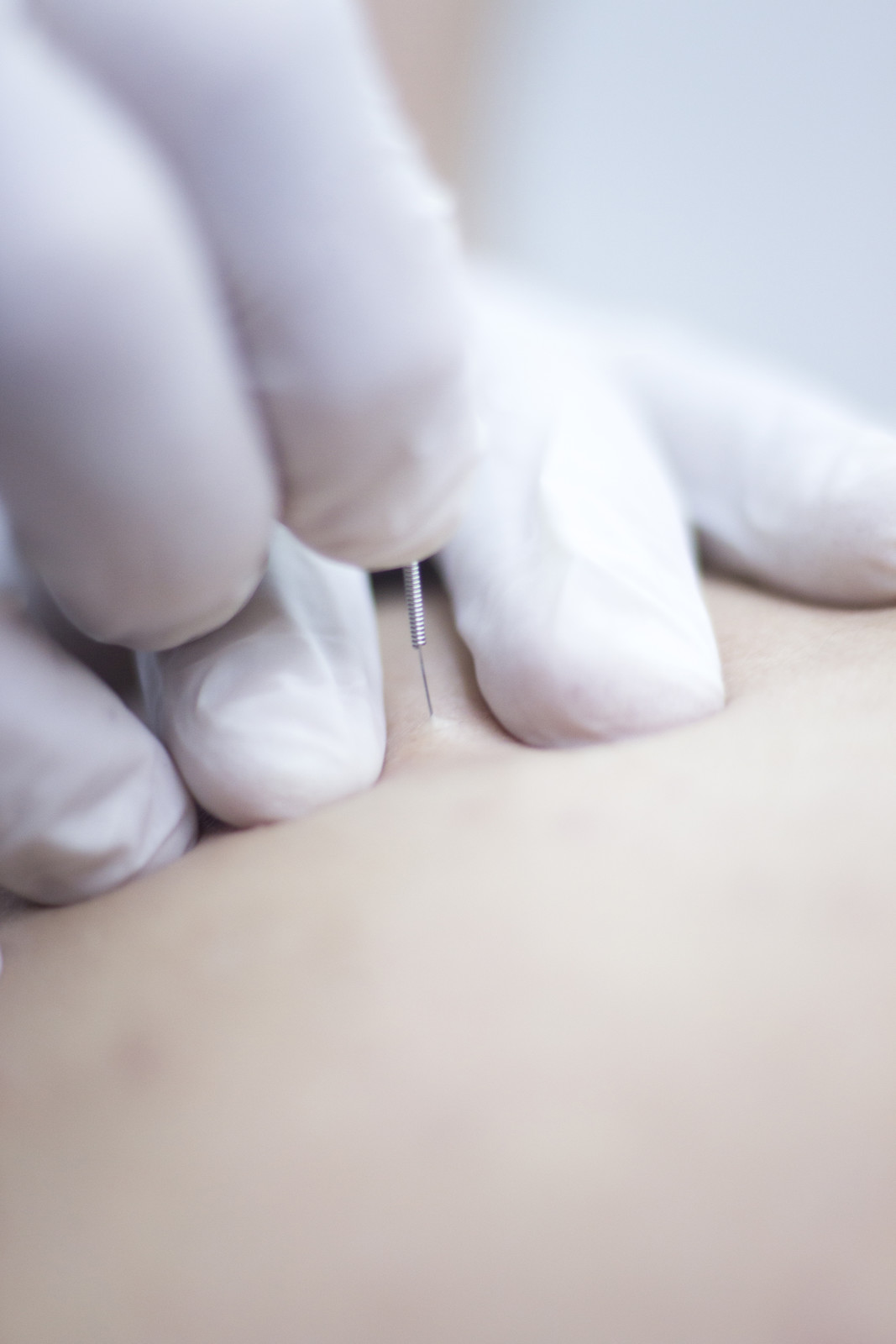
The needle used mirrors those in acupuncture—very fine and typically well-tolerated. The practitioner inserts it "into the muscle at the point of tightness" to stimulate local inflammation and chemical rebalancing.
Eliciting a muscle twitch response—described as potentially uncomfortable but lasting under two seconds—helps restore proper nerve and muscle chemistry. This brief twitch indicates the treatment is targeting the correct area.
Dry Needling vs Acupuncture
While both use similar needles, the techniques differ significantly:
- Dry needling: The needle is only in the body for less than one minute and is moved around to target specific trigger points
- Acupuncture: Needles may be left in place for an extended period (20-30 minutes) at specific meridian points
What to Expect After Treatment
Possible temporary reactions that typically resolve within 48 hours include:
- Muscle tenderness or soreness
- Muscle tightness
- Mild nausea
- Fatigue
- Emotional responses (feeling tearful or emotional)
These reactions are normal and indicate your body is responding to the treatment. Staying well-hydrated and gentle movement can help ease post-treatment soreness.
Conditions That Can Benefit from Dry Needling
Dry needling can be effective for treating:
Musculoskeletal Injuries
- Muscle tears and strains
- Tendinopathies (Achilles, tennis elbow, golfer's elbow)
- Muscle imbalances and compensatory patterns
- Joint dysfunction
Pain Conditions
- Whiplash injuries
- Stress-related tension
- Tension headaches and migraines
- Radiculopathies and sciatica
- Chronic pain conditions
Is Dry Needling Right for You?
Our certified practitioners at Central Lakes Physio are experienced in dry needling techniques and can determine if this treatment is appropriate for your condition. We always discuss treatment options with you and ensure you're comfortable before proceeding.
If you're interested in learning more about dry needling or would like to discuss whether it's suitable for your condition, contact us on 03 443 1711 or book an appointment online.