What is Core Stability? And Why is it So Important?
The term "core stability" or "core control" often generates confusion about its true meaning. Let's clarify what core stability actually involves and why it matters for your health and function.
Understanding Muscle Types
Your body contains two distinct types of muscles that work together:
Mover Muscles (Superficial)
These larger muscles contract to create movement. In the abdominal region, they include:
- Rectus abdominis (the "six-pack" muscle)
- Quadratus lumborum
- External obliques
These muscles work intensely during activity to produce powerful movements.
Stabiliser Muscles (Deep)
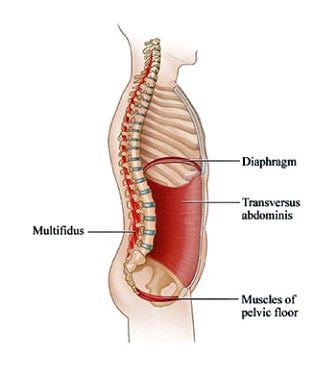
These deeper muscles provide joint stability. Key core stabilisers include:
- Transversus abdominis
- Multifidi
- Pelvic floor muscles
- Diaphragm
Unlike movers, stabilisers function continuously at about 20-30% capacity, providing constant support to your spine and pelvis.
The Problem with Poor Core Stability
Problems arise when these deep stabilisers fail to activate properly. When this happens, an imbalance occurs where mover muscles try to compensate for the lack of stability. This compensation pattern can lead to:
- Back pain
- Poor posture
- Increased injury risk
- Reduced athletic performance
- Pelvic floor dysfunction
Core Work Guidelines
Effective core stability training should follow these principles:
You Should Always Be Able to Breathe
If you're holding your breath, you're working too hard or using the wrong muscles. Proper core work allows for natural, continuous breathing.
It Should Not Feel Like Maximum Effort
Remember, stabilisers work at 20-30% capacity. Core exercises should feel controlled and sustainable, not exhausting.
Pain-Free Movement is Essential
Core work should never cause pain. If you experience discomfort, stop and consult a physiotherapist.
Your Body Should Remain Mobile, Not Rigid
Good core stability allows you to move freely while maintaining spinal support. You shouldn't feel stiff or locked up.
Getting Started with Core Stability
At Central Lakes Physio, we can assess your core stability and provide personalised guidance on how to activate and strengthen these crucial muscles. Our Pilates classes are an excellent way to develop core stability in a supportive, guided environment.
Whether you're recovering from injury, experiencing back pain, or simply want to improve your core function, we can help. Please contact us to book a consultation for personalised core stability guidance.