
Surgery is not the only option for treating Carpal Tunnel Syndrome. Understanding the condition and exploring conservative treatment options can often provide significant relief and prevent the need for surgical intervention.
What is Carpal Tunnel Syndrome?
The carpal tunnel is a tunnel-shaped space running from the wrist into the base of the hand. The carpal ligament forms its roof, while tendons and the median nerve pass through it. Carpal Tunnel Syndrome (CTS) develops when pressure is exerted on the median nerve as it passes through the tunnel.
Symptoms
- Pain in the wrist and hand
- Weakness in grip strength
- Numbness or tingling in fingers 1-4 (thumb, index, middle, and ring fingers)
- Symptoms often worse at night
- Difficulty with fine motor tasks
Common Causes
Carpal Tunnel Syndrome can develop from various factors:
- Pregnancy (due to fluid accumulation)
- Trauma or wrist fractures
- Ageing and arthritis
- Diabetes
- Repetitive wrist use (common in hairdressers, gardeners, and office workers)
Conservative Treatment Options
Physiotherapy is particularly good at treating the earlier stages of CTS, before any weakness develops. Our treatment approaches include:
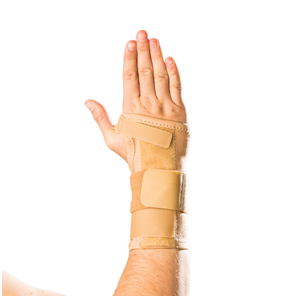
- Splinting to reduce tunnel pressure
- Neural mobilisation exercises
- Cervical spine joint mobilisation
- Soft tissue massage
- Activity modification advice
- Acupuncture
Advanced Interventions
If conservative treatment doesn't provide sufficient relief, other options include:
- Steroid injections to reduce inflammation
- Surgical release (a minor procedure under local anaesthetic)
The Importance of Early Intervention
Early treatment is crucial for preventing nerve damage that would require surgery. If you're experiencing symptoms of Carpal Tunnel Syndrome, particularly numbness, tingling, or night pain, it's important to seek assessment promptly.
At Central Lakes Physio, we can assess your symptoms and develop an individualised treatment plan. Our hand therapy services are particularly effective for managing conditions like Carpal Tunnel Syndrome.
If you're experiencing hand or wrist pain, numbness, or weakness, please contact us for an assessment.