
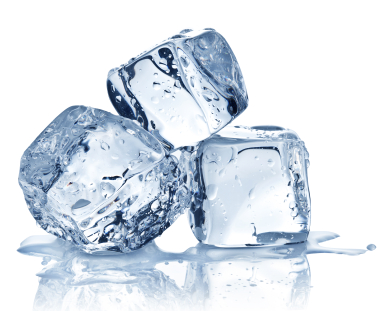
This article challenges the traditional RICE (Rest, Ice, Compression, Elevation) approach to acute sports injuries that has been standard since the 1970s. Modern medical research has changed our understanding of inflammation's role in healing.
The Healing Process
When injury occurs, blood vessels dilate, causing swelling and heat. This inflammatory response triggers the release of chemicals and proteins essential to kickstart tissue healing. The role of inflammation is very important in facilitating recovery.
Ice's Limitations
Applying ice constricts blood vessels, reducing blood flow to the injured area. This restriction prevents healing properties and chemicals from reaching the wound, potentially slowing the healing process. Research suggests ice may only provide short-term pain relief when applied briefly.
The PEACE & LOVE Framework
Modern physiotherapy now recommends an alternative approach:
Immediately after injury - PEACE
- Protect - Avoid activities that increase pain for the first few days
- Elevate - Raise the injured limb higher than the heart
- Avoid anti-inflammatory modalities - Let the body's natural healing process work
- Compress - Use elastic bandage or tape to reduce swelling
- Educate - Understand your condition and set realistic recovery expectations
After the first few days - LOVE
- Load - Return to normal activities as soon as symptoms allow
- Optimism - Maintain a positive mindset for better recovery outcomes
- Vascularisation - Choose pain-free cardiovascular activities to boost blood flow
- Exercise - Restore mobility, strength and proprioception through active recovery
This approach prioritises early mobilisation, realistic expectations, and gradual strengthening over inflammation suppression, leading to faster and more complete recovery.
If you've suffered a sports injury or want to learn more about modern injury management, contact Central Lakes Physio & Pilates on 03 443 1711 or book an appointment online.