
A New Approach to ACL Injuries: What Is the Cross-Bracing Protocol?
What Is the ACL and Why Does It Matter?
The anterior cruciate ligament (ACL) is one of the key ligaments in your knee, providing stability during dynamic movements like stopping suddenly or changing direction in sports. When the ACL is torn, it can cause instability, swelling, pain, and a sensation of the knee giving way.
Traditionally, complete ACL tears have been treated with surgical reconstruction, where the torn ligament is replaced with a graft. However, a new approach called the cross-bracing protocol is offering some patients an alternative path to recovery.
Enter the Cross-Bracing Protocol
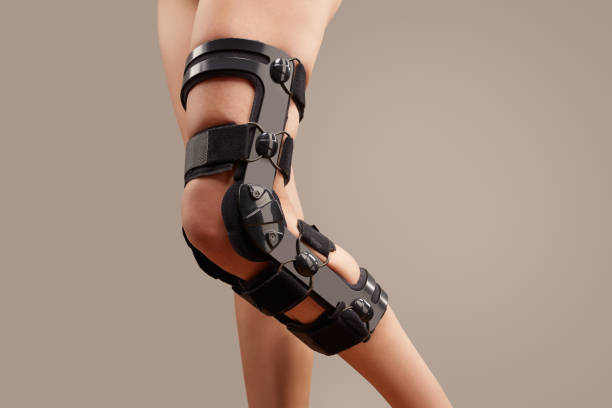
The cross-bracing protocol is an innovative approach that aims to help the torn ACL heal naturally, rather than replacing it surgically. The method involves wearing a special hinged brace that keeps the knee in a specific position (usually with the knee bent at around 90 degrees) for several weeks.
This position brings the torn ends of the ligament closer together, encouraging them to heal and form scar tissue that can restore stability to the knee. The approach is supported by research from Melbourne's ACL Cross Bracing Study.
Timing Is Key
The success of the cross-bracing protocol depends heavily on how soon it's started after the injury, ideally within the first 14 days. Early diagnosis and prompt intervention are critical to maximise the healing potential of this approach.
Who Is It For?
The cross-bracing protocol may be suitable for:
- Patients with complete ACL tears diagnosed early after injury
- Those who are motivated and able to comply with strict bracing requirements
- Individuals who want to explore non-surgical options before considering surgery
What Does the Research Say?
Early findings from studies suggest that some patients treated with the cross-bracing protocol show:
- Evidence of ACL healing on MRI scans
- Improved knee stability and function
- Successful return to sport in some cases
The best outcomes are seen when the protocol is started promptly after injury.
Is It Right for You?
If you're hesitant about surgery, have a recent knee injury, or want to explore all your options, the cross-bracing protocol might be worth discussing with your physiotherapist. However, it's important to understand that this approach isn't suitable for everyone, and some patients may still require surgery.
Final Thoughts
The landscape of ACL treatment is evolving. While surgery remains a reliable option for many, the cross-bracing protocol offers a promising non-surgical alternative for the right candidates. The key is early assessment and intervention.
Don't delay, timing matters. If you've just had a knee injury, reach out today for an urgent appointment.